A1 Tampa Locksmiths Service Team
Local locksmith team
May 16, 2026 10 min read
If you live anywhere in Greater Northdale — whether you're off Gunn Highway, near the Earl Lennard Road corridor, or tucked into one of the quiet cul-de-sacs feeding into the area's sprawling subdivisions — you've probably looked at your front door at some point and wondered whether your locks are actually doing their job. Most homes in this part of Tampa come equipped with a standard door knob lock, sometimes paired with a deadbolt, sometimes not. The question isn't whether you need locks — it's whether the locks you have are giving you real protection or just the appearance of it.
This guide breaks down the honest difference between a door knob with lock and a deadbolt, explains where a mortise lock fits into the picture for homeowners who want maximum security, and helps you decide which upgrade delivers the most protection for the money. No fluff, no scare tactics — just practical information from the team at A1 Tampa Locksmiths, your 24/7 mobile locksmith serving Greater Northdale and the surrounding Tampa area.
## What a Door Knob Lock Actually Does (and Where It Falls Short)
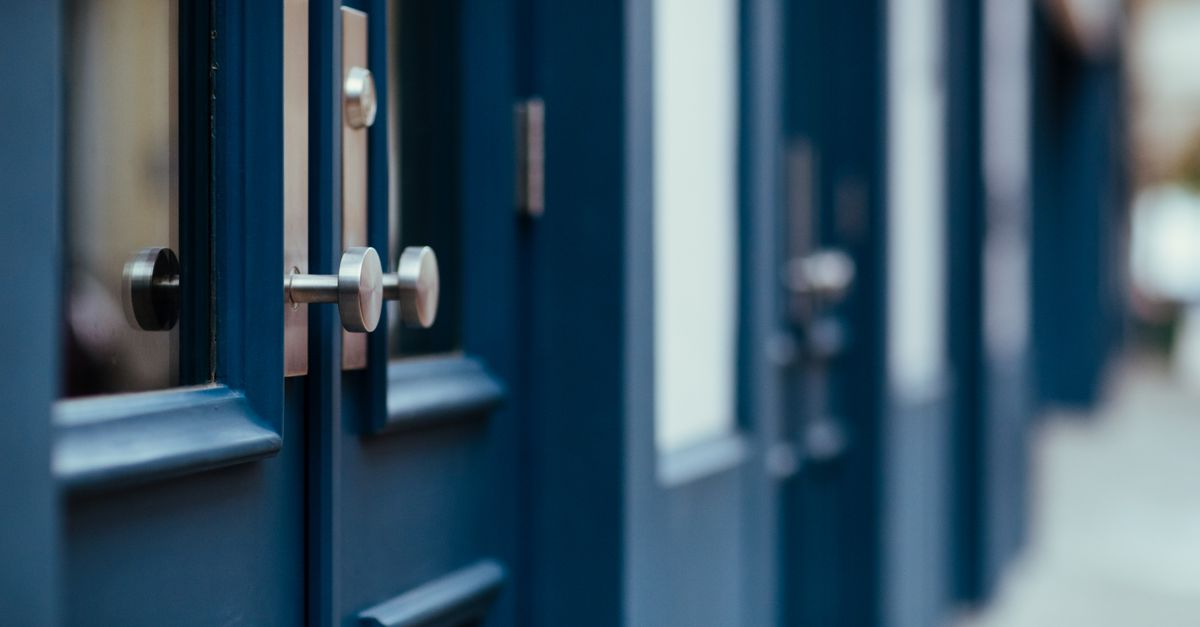
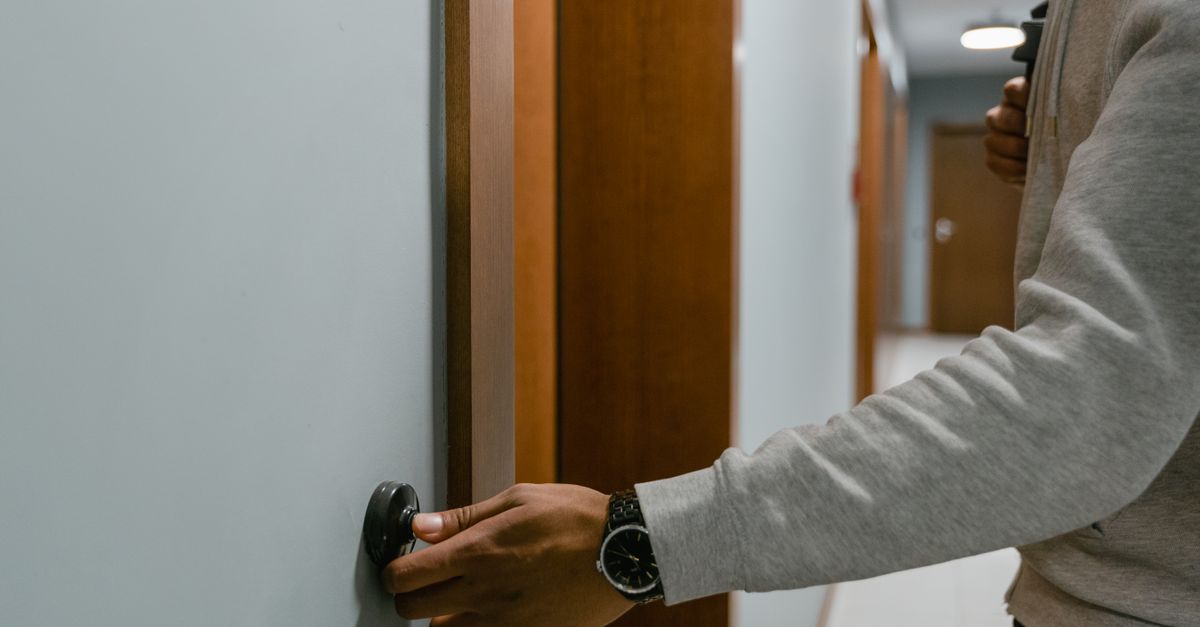
A door knob lock — the kind built directly into the knob itself — is the most common residential lock in the United States. You turn the interior button or thumb-turn, and a small spring-loaded latch extends into the door frame. It keeps the door closed, it requires a key from the outside, and for most people, it's the first line of defense they think of. But here's the honest reality: a standard knob lock is not engineered to resist forced entry. The lock mechanism sits inside the knob, which means the knob itself is the vulnerable point. A hard kick near the knob, a pair of channel-lock pliers, or even sustained pressure on the latch can defeat many door knob lock installations in seconds — not because the locks are defective, but because they were designed for convenience and basic privacy, not high-security resistance.
That said, a door knob with lock and key is far from useless. On interior doors — bedrooms, home offices, bathrooms — a door knob with lock for bedroom use is entirely appropriate. It provides privacy and deters opportunistic access without needing the heavy-duty hardware you'd want on an exterior entry point. The key distinction to understand is application: knob locks belong on interior doors or as a secondary layer on exterior doors, never as the sole lock on a main entry.
## Deadbolts: The Upgrade That Actually Changes Your Risk Profile
A deadbolt operates on a completely different mechanical principle. Instead of a spring-loaded latch, it throws a solid steel bolt — typically one inch deep — directly into the door frame's strike plate. There is no spring mechanism to manipulate, and there is no knob to shear off. A properly installed single-cylinder deadbolt, combined with a reinforced strike plate secured with three-inch screws that reach the structural framing, dramatically increases the time and effort required to force open a door. For most residential burglary attempts, that added resistance is enough to cause an intruder to abandon the attempt entirely. Studies consistently show that the majority of residential break-ins target the path of least resistance — and a deadbolt-equipped door is rarely that path.
So which should you upgrade first? If your exterior doors currently rely only on a knob lock, adding a deadbolt is the single highest-return security upgrade you can make. It does not require replacing your existing door knob with lock — they work in tandem. The deadbolt handles forced-entry resistance; the knob lock handles everyday latching and privacy. Together, they provide layered protection. If your exterior doors already have deadbolts, the next conversation is about the quality of those deadbolts — their grade rating, the condition of the strike plate, and whether it's time to upgrade to a mortise lock system for even greater protection.
## Mortise Lock: The Professional's Choice for Serious Door Security
When homeowners in Greater Northdale ask our team what lock a professional locksmith would put on their own front door, the answer is almost always a mortise lock. Unlike a knob lock or a standard deadbolt that mounts to the surface of the door, a mortise lock is installed inside a precisely cut pocket (the 'mortise') within the door itself. This recessed installation distributes stress across the entire door body rather than concentrating it at surface-mounted hardware. A quality mortise lock combines a deadbolt, a latch bolt, and often additional security features into a single integrated unit — and because the mechanism is housed inside the door, there is very little external hardware to attack.
Mortise locks are standard on commercial properties, and our commercial locksmith work across the Tampa area involves mortise lock installation and service daily. But they are equally well-suited to residential front doors, especially in homes with solid-core wood or fiberglass doors where the mortise pocket can be properly cut. If you've upgraded your deadbolt and still want more — or if you're renovating and want to do it right the first time — a mortise lock installation is the conversation to have with a professional locksmith. Our team carries and installs a range of mortise lock hardware from reputable manufacturers like Schlage and Kwikset, and we can walk you through the options that fit your specific door thickness and frame condition right there on-site.
## How to Think About Lock Picking — and Why It Matters Less Than You Think
If you've ever searched 'how to pick a door knob lock' or 'how to pick a lock door knob,' you've likely seen a lot of content that overstates how easy picking is for the average person. In reality, picking a lock requires practiced skill, specific tools, and time — none of which most opportunistic burglars invest in. The far more common threat is physical force: kicking a door, prying a frame, or snapping a lock knob. This is exactly why the deadbolt-over-knob-lock upgrade matters so much in practical terms. A deadbolt resists force. A knob lock does not.
That said, understanding that picking exists is a legitimate reason to invest in higher-quality lock cylinders. Locks are graded by ANSI/BHMA standards from Grade 1 (highest security, commercial-grade) to Grade 3 (basic residential). A Grade 1 deadbolt with a hardened steel bolt and anti-pick, anti-drill pins is meaningfully harder to compromise than a Grade 3 unit from a discount bin. When our team assesses your door hardware during a service call anywhere in Greater Northdale — whether that's near the Van Dyke Road area or closer to Northdale Boulevard — we'll tell you exactly what grade your current hardware is and whether an upgrade makes practical sense for your situation. If you'd like a professional assessment of your home's entry points right now, call us at (704) 850-6756. We're available around the clock.
## Locksmith Services Near You in Greater Northdale — ZIP Codes 33558, 33624, 33626
Greater Northdale sits across several ZIP codes — primarily 33558, 33624, and 33626 — covering a wide mix of single-family homes, townhome communities, and small commercial strips. Our mobile team responds throughout this entire footprint, which means whether you're locked out near the Northdale Golf and Tennis Club, need a lock rekeyed in a townhome off of Eldridge Drive, or want a mortise lock installed on a commercial property along Gunn Highway, we come to you — fully equipped, without you needing to haul hardware to a shop. Being mobile means our response time is driven by your location and current demand, not a fixed service radius. For an up-front confirmation of arrival time and an exact price quote before any work begins, (704) 850-6756 is the number to call.
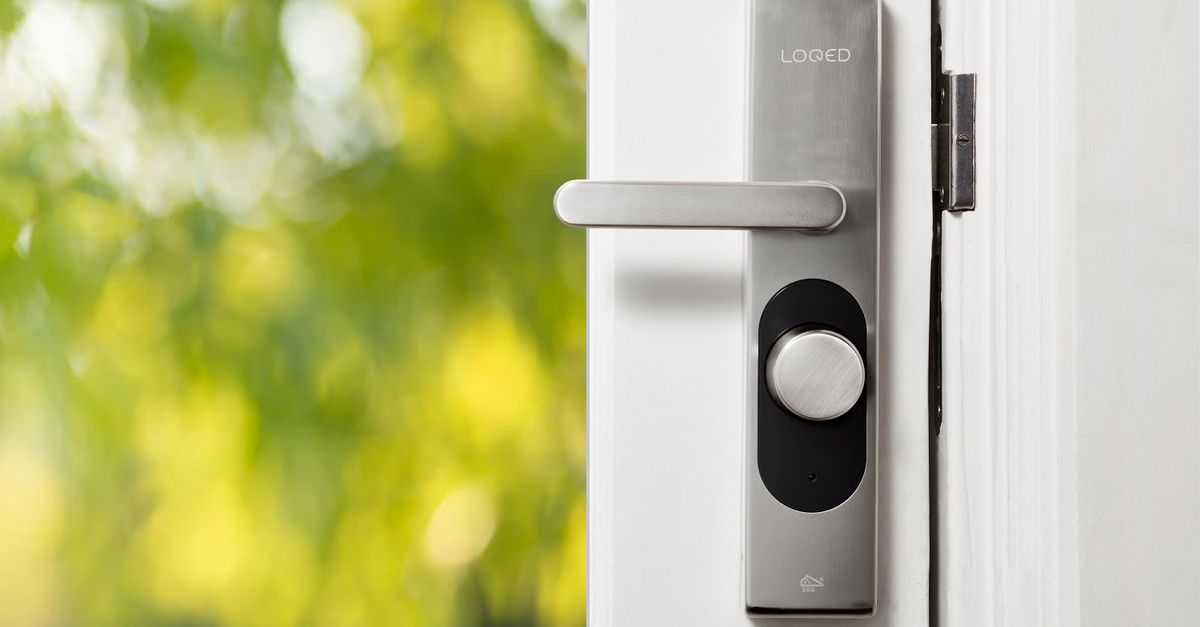
Here is a representative — though not exhaustive — list of the locksmith services our team provides across this area: residential door knob lock installation and replacement, deadbolt installation and upgrade, mortise lock installation and repair, lock rekeying (all residential and commercial cylinders), master key system design, high-security lock upgrades (Grade 1 ANSI-rated hardware), smart lock and keypad lock installation, door frame and strike plate reinforcement, door hardware alignment and adjustment, broken key extraction, home lockout response, commercial door lock installation, commercial lockout service, access control system installation, panic bar and push bar installation, cabinet and mailbox lock replacement, garage door lock installation, padlock sales and installation, car lockout service, automotive key cutting, transponder key programming, key fob replacement and programming, duplicate key cutting (standard and high-security), safe opening and combination change, and post-break-in emergency lock replacement. Each service quote reflects the specific lock type, parts needed, time of day, and your location — and you'll have an exact price confirmed before our tech touches a single thing.
Frequently asked questions
How long does it usually take for a locksmith to come to Greater Northdale?+
Response time depends on your specific location within the Greater Northdale area, the time of day, and how many calls are active at that moment. On a typical call, our mobile team can reach most parts of the 33558, 33624, and 33626 ZIP codes within 20 to 45 minutes. Emergency locksmith calls — a lockout late at night, for example — are dispatched immediately since we operate 24/7. When you call (704) 850-6756, we'll give you a realistic estimated arrival time based on real-time conditions, not a scripted window.
How much does a locksmith cost in Florida — what goes into the final price?+
Florida locksmith pricing varies based on several factors: the type and grade of lock being serviced or installed, whether specialty parts (such as a mortise lock cartridge or a transponder key blank) are required, the time of day (after-hours and emergency calls reflect the added cost of 24/7 availability), and travel distance to your location. There is no single flat rate that applies to every job. What we do guarantee is that before any work begins, our technician confirms an exact price with you — no surprise charges after the fact. To get an accurate quote for your specific situation in Greater Northdale, call (704) 850-6756 and describe what you need.
Can a locksmith make a key from a lock — and does that work for high-security locks too?+
Yes, an experienced locksmith can generate a working key directly from a lock cylinder through a process called 'impressioning' or by reading the lock's internal pin configuration. This is particularly useful when all copies of a key have been lost and the original key code is unavailable. For standard residential door knob locks and deadbolts, this is a routine service. High-security cylinders — including those found in quality mortise lock systems — can also be keyed by a skilled locksmith, though the process takes more time and requires the right equipment. The short answer is: if you have the lock, we can almost always produce a working key from it.
What is a mortise lock and do I really need one for a residential door?+
A mortise lock is installed inside a pocket cut into the door body itself, rather than mounted on the surface. Because the hardware is recessed into the door, it handles both lateral and direct force far better than surface-mounted deadbolts or knob locks. Mortise locks are standard in commercial locksmith work because of their durability under heavy daily use, but they are an excellent choice for any residential exterior door — particularly front doors on solid-core wood or fiberglass slabs. You don't need one on every door in your home, but on a primary entry point, a mortise lock is the highest-confidence upgrade available. Our team installs and services mortise lock hardware throughout Greater Northdale and can assess whether your current door thickness and frame are compatible during the same service visit.